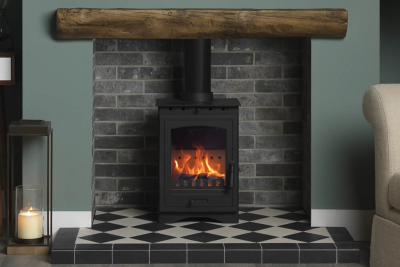


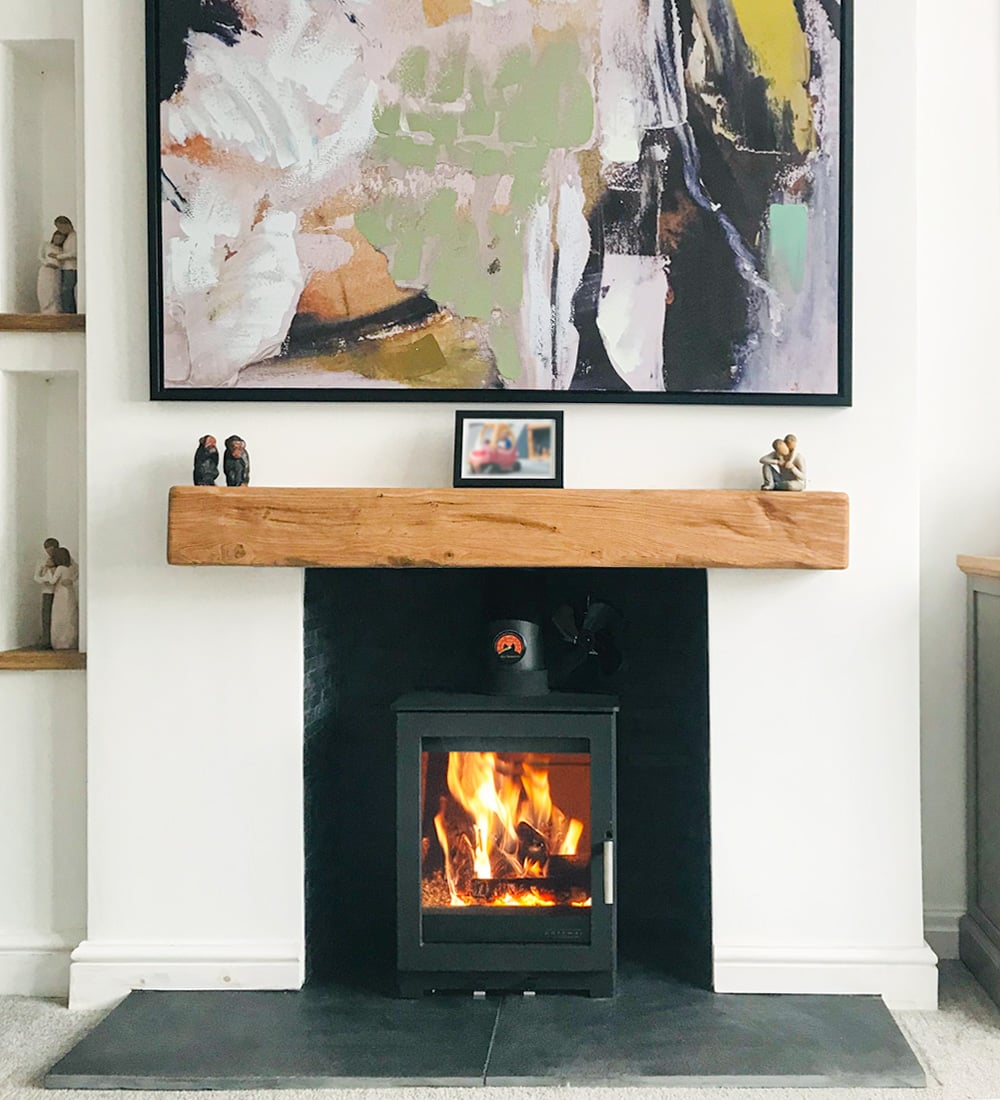







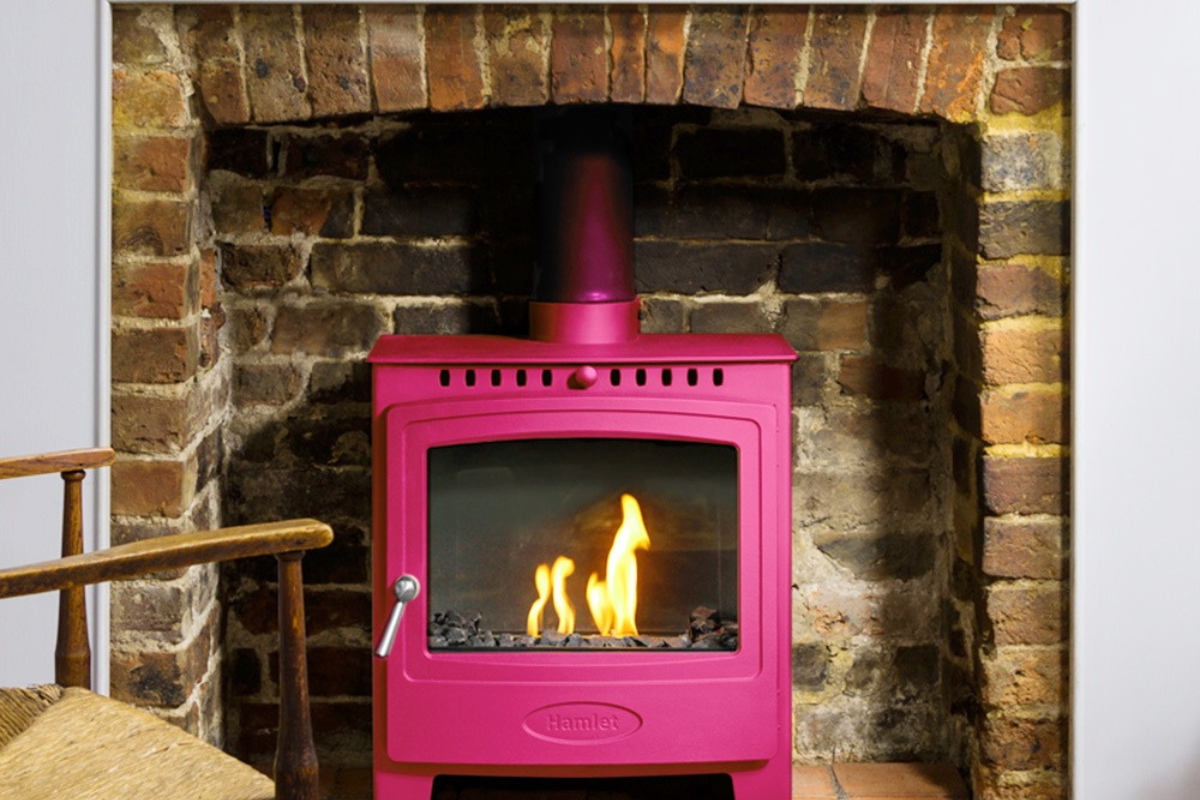
Are Bioethanol Stoves Any Good? (An Honest UK Guide)
⏱️ Time to read:
If you are researching home heating options, you have likely stumbled across bioethanol stoves. You’ve probably also seen conflicting opinions. Some people rave about how easy they are to use, while others claim they are nothing more than an expensive decoration.
So, are bioethanol stoves any good?
The short answer is: Yes, but only if you buy one for the right reasons.
Many negative reviews come from buyers who expected a bioethanol stove to do a job it was never designed to do. To help you decide if it’s the right investment for your home, here is the honest truth.
🧠 Quick Answer: Are bioethanol stoves any good?
Yes, bioethanol stoves are a fantastic investment if you want the atmosphere and warmth of a real flame but do not have a chimney. They produce genuine heat (typically 2kW to 3kW) and require zero installation. However, they are designed for supplementary room heating, not to replace your central heating or warm an entire house.
🔑 Key Takeaways
- Real flames, no chimney: The biggest advantage is enjoying a real fire without the thousands of pounds required for flue installations.
- Supplementary heat only: They output enough heat to comfortably warm a living room or conservatory, but they will not heat a whole house.
- 100% safe indoors: They burn clean liquid fuel, producing no smoke or dangerous carbon monoxide, provided you allow for basic room ventilation.
- Zero maintenance: No ash to clean, no heavy logs to store, and no annual chimney sweep fees.
- Running costs: Fuel costs roughly £2.50 to £4.00 per evening — you are paying for the convenience, ambience, and design flexibility, rather than the cheapest utility rate.
📍 Jump to section
Wondering whether a bioethanol stove is actually worth buying? Jump straight to the sections that matter most.
- Is A Bioethanol Stove Right For You?
- Where Bioethanol Stoves Fit In
- How Much Heat Does A Bioethanol Stove Actually Produce?
- Are Bioethanol Stoves Safe?
- Is Bioethanol Fuel Expensive?
- Bioethanol vs Wood Burning Stoves
- Who Should Buy A Bioethanol Stove?
- The Biggest Benefits Owners Mention
- FAQs
- So, Are Bioethanol Stoves Any Good?
A Bioethanol Stove is Right for You If…
- You want a real flame but do not have a chimney or flue.
- You want to install it in a flat, apartment, rental property, conservatory, garden room, or a modern new-build home.
- You want supplementary heat and a cosy ambience for your living space.
- You want to avoid the thousands of pounds associated with wood burner installation costs.
A Bioethanol Stove Might Not Be for You If...
- You need to heat your entire house.
- You need maximum heat output to warm a large, poorly insulated space.
- Running costs are your main concern and you are looking for the cheapest way to heat a room.
Where Bioethanol Stoves Fit In

Bioethanol stoves occupy a very specific, highly valuable space in the home heating market: real flame without installation. They are not designed to replace your boiler or a heavy-duty wood burner. Instead, they are the perfect solution for people who want the atmosphere and comforting warmth of a real fire, but cannot, or do not want to, install a chimney or flue.
Why Some People Think Bioethanol Stoves Aren’t Any Good
If you spend enough time on home improvement forums, you will see a few common criticisms. Let’s address them directly:
- “They don’t produce enough heat” — People often expect a bioethanol stove to pump out 8kW of heat like a large cast-iron wood burner. They don’t. They provide comfortable, supplementary warmth.
- “They’re expensive to run” — Bioethanol fuel costs more per hour than mains gas or cheap firewood. If you run it 10 hours a day, it will get expensive. They are not designed for long-term heating.
- “They’re just decorative” — This is a myth. While they look fantastic, they produce real flames and genuine heat.
- “They’re unsafe indoors” — Completely false, provided you follow basic safety instructions. They are designed specifically for indoor use without a flue.
- “Wood burners are better” — Wood burners are better for primary heating. But if you don’t have a chimney, a wood burner isn’t an option without some building work.
The truth is, most disappointment stems from unrealistic expectations.
How Much Heat Does a Bioethanol Stove Actually Produce?

Let’s set realistic expectations. A typical bioethanol stove produces between 2kW and 3kW of heat output.
To put that into perspective, 2–3kW is more than enough to take the chill off a standard UK living room on a crisp autumn evening. You will feel the warmth almost immediately after lighting it, making it ideal for:
- A living room where you want to turn the central heating down.
- A conservatory that gets chilly in the evening.
- A home office where you only want to heat the room you are sitting in.
- An apartment lounge where a real fire was previously impossible.
What Bioethanol Stoves Don’t Do
To be completely transparent:
- They do not heat an entire house. You cannot put one in the hallway and expect the upstairs bedrooms to get warm.
- They do not replace boilers. You will still need your primary whole-house heating system for the depths of winter.
- They do not provide central heating. They are "zone heaters"—designed to warm the specific room they are placed in.
Are Bioethanol Stoves Safe?
Yes, absolutely — when used correctly.
Bioethanol is a clean-burning liquid fuel. When it burns, it produces only heat, water vapour, and a tiny amount of carbon dioxide, roughly the same amount as burning a couple of candles. Because there is no smoke, soot, or dangerous carbon monoxide build-up, you do not need a chimney or flue.
Common Safety Mistakes to Avoid
Like any real fire, they require common sense. The vast majority of “safety issues” come from user error:
- Refilling while hot: This is the golden rule. Never pour bioethanol fuel into a hot burner. Always wait for it to cool down completely, usually 20–30 minutes.
- Using unsuitable fuel: Only use high-quality, high-purity bioethanol fuel designed for indoor stoves.
- Poor ventilation practices: While they don’t need a chimney, real flames consume oxygen. You should leave an internal door open or crack a window slightly to ensure fresh air circulation.
- Leaving unattended: Never leave a lit fire unattended, especially if you have young children or pets in the house.
Is Bioethanol Fuel Expensive?
This is the most common objection. Let’s look at the numbers.
A standard bioethanol stove uses roughly 1 litre of fuel every 3 to 4 hours. Depending on where you buy your fuel and whether you buy in bulk, bioethanol costs between £2.50 and £4.00 per litre.
This means a cosy evening by the fire, 3–4 hours, will cost you roughly £2.50 to £4.00.
Heating Comparison Table
| Heating Type | Initial Installation Cost | Chimney / Flue Required? | Heat Output | Running Cost |
|---|---|---|---|---|
| Bioethanol Stove | £0 (Freestanding) | No | 2kW – 3kW | Moderate to High |
| Electric Fire | £0 (Plug in) | No | 1kW – 2kW | High |
| Gas Fire | £200 – £500+ | Yes | 3kW – 5kW | Low |
| Wood-Burning Stove | £1,000 – £2,500+ | Yes | 4kW – 8kW+ | Low to Moderate |
Note: Running costs fluctuate based on UK energy tariffs and fuel prices.
An Important Reframing
When looking at running costs, it is crucial to remember what you are actually paying for. With a bioethanol stove, you are paying for convenience and design flexibility. You are avoiding a £1,500+ chimney installation bill, you don’t have to chop or store logs, and you never have to sweep up ash.
Bioethanol vs Wood Burning Stoves
Many buyers compare a bioethanol stove against a wood burner and conclude it falls short on heat. But this is the wrong comparison.
The more useful comparison is: a bioethanol stove versus having no real fire at all.
Bioethanol Advantages
- No chimney or flue required
- No heavy logs to carry or store
- Zero ash to clean up
- Minimal maintenance (no chimney sweeps!)
- Can be installed in minutes — just unbox and place
Wood Burner Advantages
- Significantly greater heat output
- Longer burn times and overnight heat retention
- Better suited as a primary heating source for large, draughty rooms
If you have a chimney and want to heat a massive farmhouse, get a wood burner. If you live in a modern semi-detached house with no chimney and want a real flame for Friday nights, get a bioethanol stove. Read our full Bioethanol vs Wood-Burning Stove Comparison for more details.
Who Should Buy a Bioethanol Stove?

You will likely love a bioethanol stove if you fall into these categories:
- Flat and apartment owners: You finally have a way to enjoy a real fire safely.
- Renters: You can take your freestanding stove with you when you move.
- Conservatory owners: Perfect for making a glass room usable on chilly evenings.
- Homeowners without chimneys: Avoid the cost of installing a twin-wall flue system.
Who Probably Shouldn’t Buy One?
We want you to be thrilled with your purchase. You should not buy a bioethanol stove if:
- You are seeking a whole-house heating solution.
- You are focused purely on getting the absolute lowest running costs per kilowatt.
- You want a stove that retains heat overnight after the flame goes out. Bioethanol stoves cool down quickly.
- You are trying to replace a high-output 8kW wood burner.
The Biggest Benefits Owners Mention
When we speak to customers who love their bioethanol stove, their feedback usually sounds like this:
“I Wanted Real Flames Without Renovating”
“We live in a new build with no chimney. I looked into getting a flue installed for a log burner, but the quotes were over £1,000 just for the building work. The bioethanol stove gave us the real fire we wanted straight out of the box.”
“I Didn’t Want Logs, Ash or Maintenance”
“I love the look of a fire, but I honestly couldn’t be bothered with stacking damp wood, cleaning out ash pans, or paying for chimney sweeps. I just pour the liquid in, light it, and enjoy it.”
“It Was Ready to Use Almost Immediately”
“Delivery arrived at 10 AM. By 10:30 AM, it was sitting in my living room, lit, and looking gorgeous. No builders, no mess.”
“The Room Felt Cosier Than I Expected”
“I read online that they were just for decoration, but it genuinely heats up our lounge. It takes the chill off perfectly while we watch TV.”
FAQs
Do bioethanol stoves really give off heat?
Yes. A typical model provides around 2kW to 3kW of heat, which is enough to warm a standard-sized living room comfortably.
Can you use a bioethanol stove every day?
You can, but keep an eye on your fuel budget. Using it for 3–4 hours every single night will increase your monthly heating costs. Most people use them a few times a week for supplementary heat and atmosphere.
Do bioethanol stoves smell?
High-quality bioethanol fuel is virtually odourless while burning. You may notice a very faint, fleeting smell right when you extinguish the flame, similar to blowing out a candle.
Are bioethanol stoves expensive to run?
They are more expensive to run per hour than mains gas or a wood burner. However, they have zero installation costs and require no annual maintenance, which offsets the fuel price for many users.
Can a bioethanol stove heat a living room?
Yes, it acts as an excellent space heater for a single room, taking the chill out of the air quickly.
Are they safer than wood burners?
They carry different risks. There is no risk of chimney fires or toxic carbon monoxide build-up. However, because you are handling liquid fuel, you must be strict about never refilling the stove while it is hot.
Do bioethanol stoves need ventilation?
Yes. While they don’t need a flue to extract smoke, the flames consume oxygen. You should leave an internal door open or crack a window slightly to ensure fresh air enters the room.
So, Are Bioethanol Stoves Any Good?
Yes. They are excellent for the people they are designed for.
If you view a bioethanol stove as a replacement for central heating or a heavy-duty wood burner, you will be disappointed. But if you view it as a way to bring real flames, meaningful warmth, and a beautiful focal point into a home without a chimney, they are a fantastic investment.
They offer all the charm of a real fire with none of the installation hassle, ash, or maintenance.
If you are ready to find the perfect model for your home, check out our comprehensive Bioethanol Stoves Buying Guide to help you choose the right style, size, and design for your home. Or, go straight to browsing our Bioethanol Stoves collection.
You might also like:
- 👉 Bioethanol vs wood burning stoves: Which is right for your home?
- 👉 What types of bioethanol stoves are there?
- 👉 What alternatives to firewood are there?
- 👉 How to heat the room you use the most (without heating the entire house)
↑ Back to top | Jump to sections ↑