








Why Modern Stoves Must Be Part of the UK’s Low-Carbon Heating Future
A recent briefing from the think tank E3G in August 2025 has sparked a crucial conversation about the future of home heating in the UK. The paper, “Low Carbon, Lower Heating Bills” suggests that with the right government policies, heat pumps could potentially halve the heating bills for many households. In response, the Stove Industry Association (SIA) has welcomed the focus on decarbonisation and affordability, but rightly cautions that electrification, while vital, is not the only solution.
For a truly resilient, affordable, and fair transition to low-carbon heating, the UK needs a multi-technology approach. This means embracing the potential of heat pumps while also recognising the essential role that modern, Ecodesign-compliant wood-burning stoves must play in the nation’s portfolio of low-carbon heating solutions.
The Energy Bills Crisis and the Search for UK Low-Carbon Heating Solutions

The energy crisis has left a lasting impact on UK households, with gas prices remaining over a third higher than they were before the crisis began. This volatility underscores the UK’s risky dependence on imported fossil fuels. In this context, the push towards electrification, championed by E3G, presents heat pumps as the ‘mainstream’ path to cheaper, cleaner heat.
However, a one-size-fits-all strategy that relies solely on one technology is fraught with risk. It threatens to exclude millions of households where heat pumps are not yet practical or affordable. A balanced strategy is needed to ensure that all homes can transition away from fossil fuels.
The Role of Heat Pumps (from E3G’s Perspective)
According to E3G’s analysis, a typical household could see their annual heating bill drop from £820 on gas to around £375 with a heat pump, but only if significant policy reforms are made. These savings could exceed £400 for an average home.
E3G proposes four key steps to unlock these savings:
- Remove Levies from Electricity: Introduce an ‘Affordable Electric Heating Tariff’ that exempts electricity used for heating from legacy policy costs, potentially saving a heat pump user around £150 annually.
- Reform the Electricity System: Deliver reforms to maximise savings from a clean power system, which could reduce running costs by another £90 per year.
- Drive Up Heat Pump Performance: Monitor and improve the average efficiency of installed heat pumps by 25%.
- Enable Cheaper Off-Peak Tariffs: Ensure consumers can access cheaper electricity when demand is low, for example, by pre-heating their homes.
By pairing these reforms with better insulation and solar panels, the savings could be even greater, especially for households currently relying on inefficient direct electric heating.
Why Stoves Must Be Part of the Low-Carbon Heating Solution

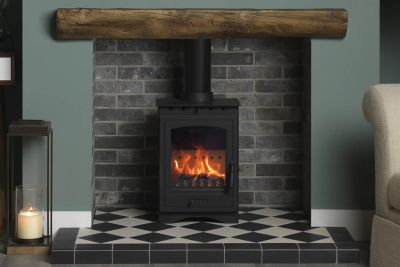
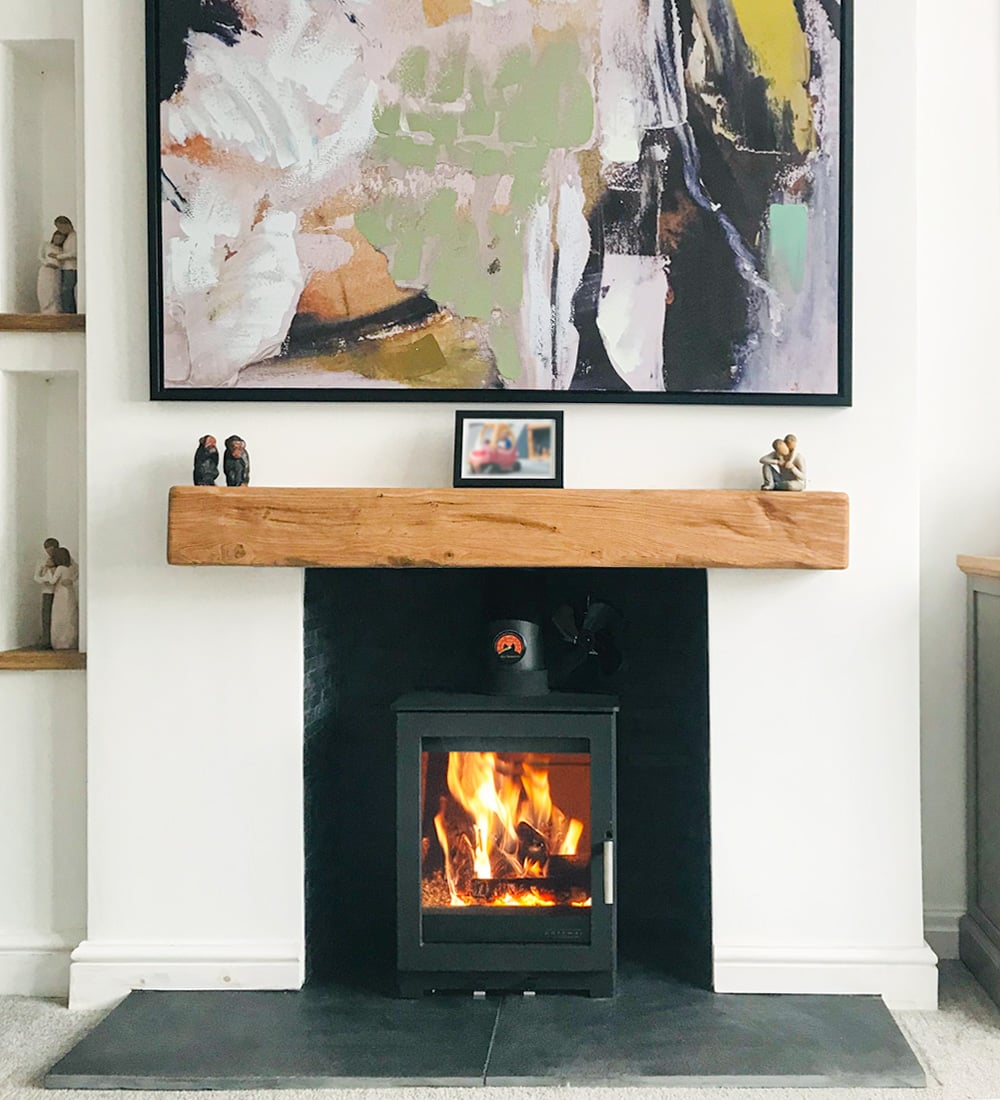
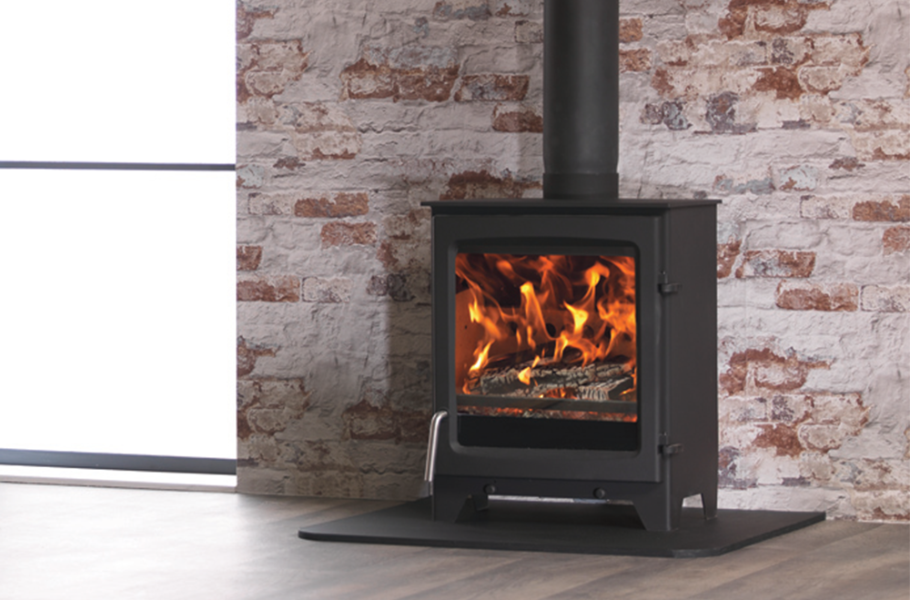
The Stove Industry Association (SIA) argues that modern Ecodesign stoves are a critical component of the UK’s low-carbon heating future, offering unique benefits that heat pumps alone cannot provide.
Affordable, Renewable Heat
Modern stoves that use locally and sustainably sourced wood provide a cost-effective heating solution. They can act as a primary heat source or as a backup to gas and electricity, offering a crucial buffer against volatile energy prices.
Ultra-Low Emissions

Far from the outdated image of smoky fireplaces, today’s Ecodesign-compliant stoves are highly engineered appliances. Independent tests confirm they reduce particulate emissions by up to 90% compared to open fires and around 80% compared to older stoves. They also achieve seasonal efficiencies of over 75%.
Grid Resilience
In a future heavily reliant on electricity, grid stability is paramount. Wood-burning stoves reduce the strain on the national grid, especially during peak demand in winter. They also provide reliable, independent heat during power cuts or supply interruptions, offering security that an all-electric system cannot.
Choice for Hard-to-Treat Homes
Many of the UK’s homes – be they heritage, rural, or off-grid properties – are poorly suited for heat pumps without extensive and costly retrofitting. Modern stoves provide a practical and effective low-carbon heating solution for these homes, ensuring they are not left behind in the energy transition.
Wellbeing and Security
Beyond the practical benefits, stoves deliver a sense of comfort, warmth, and peace of mind that is an invaluable part of a home’s atmosphere.
A Balanced Path Forward for Low Carbon Heating Solutions in the UK
Electrificiation is a cornerstone of the UK’s energy future, but it cannot be the only pillar. Treating heat pumps as the sole solution risks excluding millions of households and creating a brittle, over-reliant energy system.
A truly robust strategy for UK low-carbon heating solutions must be diversified. The most effective path forward combines multiple technologies:
- Heat pumps for suitable, well-insulated properties where they can operate at maximum efficiency.
- Modern Ecodesign stoves for resilience, for rural and heritage homes, and as a reliable backup for any household.
- Solar panels and insulation to reduce overall energy demand and maximise the efficiency of any heating system.
This mixed-technology approach is the only way to deliver a heating transition that is affordable, fair, and secure for every household in the UK.
Looking Ahead: The Future of Low-Carbon Heating in the UK
E3G is correct in its assertation that heat pumps are a crucial tool for cutting both carbon emissions and energy bills. However, the Stove Industry Association is also right to insist that no single technology can shoulder the entire burden of the UK’s heating transition.
For the UK to successfully achieve its climate goals while ensuring every household has access to reliable and affordable warmth, policy must evolve. It needs to support both the rollout of heat pumps and the adoption of modern, low-emission Ecodesign stoves. By embracing a diverse range of low-carbon heating solutions, the UK can build a future that is not only greener but also more resilient and equitable for all.