








After the Twelfth Day of Christmas: A Green Guide to Tree Disposal
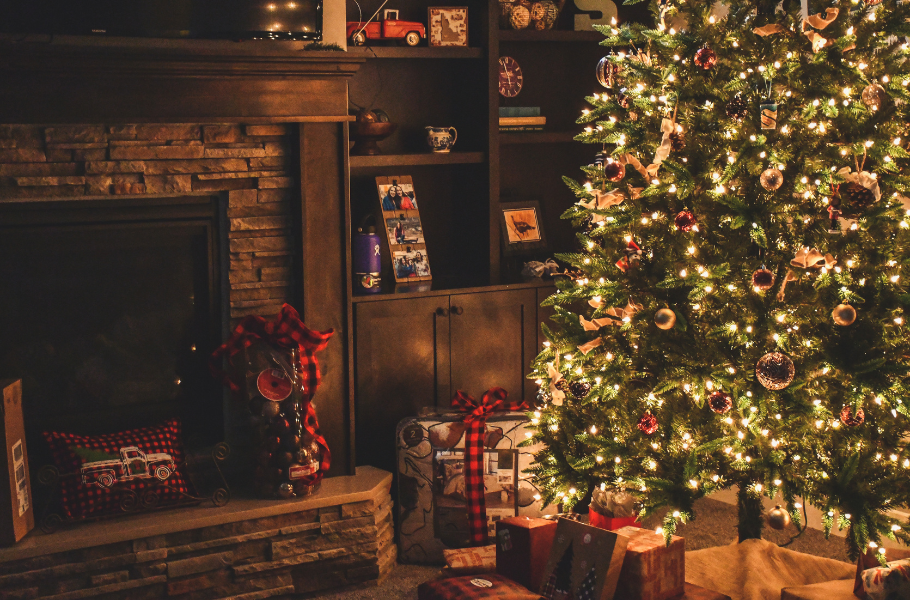
The decorations are looking a little tired, the chocolate tin is finally empty, and the festive slump has officially set in. Christmas is over… now, what do you do with the tree?
At Direct Stoves, we know that the post-Christmas period is just as important as the lead-up. While we spend December helping you create the perfect cosy atmosphere, January is about resetting your home safely and sustainably. Whether you have a Nordmann Fir dropping needles on your carpet or an artificial spruce that needs wrestling back into a box, the question remains: what should you actually do with your tree once Twelfth Night comes around?
Here is your essential 2026 guide to tree disposal, recycling, and why you definitely shouldn’t be throwing those branches straight into your log burner.
When Is Twelfth Night? (And Why People Still Get It Wrong)

Every year, the debate rages on social media and in living rooms across the UK: When is the ‘correct’ day to take the decorations down?
Traditionally, Twelfth Night marks the end of the festive season. However, confusion arises because people count the ‘Twelve Days of Christmas’ differently.
- 5th January: This is the twelfth night after Christmas Day.
- 6th January: This is the Feast of Epiphany, the twelfth day after Christmas.
The Verdict: In the UK, most people adhere to the tradition that decorations should be taken down on Twelfth Night (5th January) or, at the very latest, Epiphany (6th January).
Leaving your tree up beyond this date is widely considered bad luck in British folklore – a superstition dating back to when greenery was thought to house tree spirits that needed to be released back outside before spring.
Should You Take Your Tree Down After Twelfth Night? Tradition vs Reality

While we aren’t overly superstitious, there are practical reasons to follow the Twelfth Night tradition.
- Fire Safety: By January, real trees have been inside for weeks. They are drying out rapidly. A dry Christmas tree is significantly more flammable than a fresh one, posing a higher fire risk near hot stoves or candles.
- The ‘Home Reset’: Psychologically, clearing the clutter of Christmas helps prepare your mind and your living space for the new year.
- Artificial Tree Longevity: For artificial trees, leaving them up too long exposes them to more dust and UV light, which can fade the foliage. Packing them away promptly keeps them looking fresh for next December.
What To Do With a Real Christmas Tree After Twelfth Night (Eco-Friendly Options)
If you opted for a real tree this year, you have a biodegradable asset on your hands. Don’t just dump it! Here is how to dispose of it responsibly.
Council Tree Recycling Services
Most local authorities in the UK run specific Christmas tree recycling schemes throughout January.
- Kerbside Collections: Many councils will collect trees left by your green bin during specific weeks in January. Check your local .gov website for dates.
- Drop-off Points: Look for designated collection zones in local parks or garden centres.
- Chipping Services: The council often chips these trees to use as mulch for public parks, returning the nutrients to the soil.
Turn It Into Firewood – But Not Yet!
WARNING: This is the most critical advice we can give you. Do not burn your fresh Christmas tree in your wood-burning or multi-fuel stove immediately.
Why?
- Moisture Content: Even if the tree looks dry, the wood inside is still ‘green’ (unseasoned). Burning wet wood produces excessive smoke and steam, not heat.
- Sap and Resin: Softwoods like Pine, Spruce, and Fir are full of sap. When burned green, this sap boils and creates heavy deposits of creosote and tar in your flue.
- Chimney Fire Risk: Creosote is highly flammable. Accumulation in your chimney significantly increases the risk of a chimney fire.
The Solution: If you want to use the trunk for fuel, you must cut it into logs and season it for at least 12 months until the moisture content is below 20%. Only then is it safe to burn.
Garden DIY: Mulch, Compost, Wildlife Habitats
If you have a garden, your tree is a free resource.
- Branch Mulch: Shred the branches and use them to mulch around the base of acid-loving plants like blueberries or rhododendrons.
- Pond Protection: If you have a fish pond, sinking a section of the tree (weighted down) can provide a safe hiding spot for fish during the cold winter months.
- Wildlife Shelter: Simply piling the branches in a quiet corner of the garden creates an excellent sanctuary for hedgehogs and insects waiting out the winter.
Creative Reuse Ideas (Low-Effort, Realistic)
- Potpourri: Strip the needles, dry them, and mix with cinnamon sticks and dried orange slices for a winter-scented bowl.
- Rustic Coasters: If the trunk is thick enough, saw thin slices, sand them down, and varnish them for rustic wooden coasters.
What About Artificial Trees? How to Store, Repair, or Recycle Them

Artificial trees are made from a mix of metal and PVC, making them difficult to recycle. The most eco-friendly thing you can do is use them for as long as possible (experts suggest at least 10 years to offset their carbon footprint).
- Storage: Invest in a proper canvas storage bag rather than trying to tape up the original cardboard box. Store in a cool, dry place (lofts can get very hot in summer, which may warp the plastic).
- Repair: If a branch snaps, don’t bin the whole tree. Use green floral wire to bind it back together.
- Disposal: If the tree is truly at the end of its life, check if your local recycling centre has a specific skip for rigid plastics or metals. If the tree is still in good condition but you want a change, consider donating it rather than sending it to landfill.
Keeping Your Wood-Burning Stove Safe After the Festive Season
The period between Christmas and New Year often sees stoves working overtime. Once the tree is down, give your heating appliance some TLC.
- Do Not Burn Wrapping Paper: It is tempting to shove used wrapping paper into the stove. Don't. The inks, foils, and plastic coatings release toxic fumes and can cause rapid, high-temperature flare-ups that damage your stove glass or flue.
- Avoid Burning Needles: Sweeping up pine needles and throwing them in the fire is a bad idea. They burn incredibly fast and hot, sending sparks up the chimney, which can ignite soot deposits.
- Check Your Alarms: You’ve likely had candles burning and a roaring fire. Now is the time to test your Carbon Monoxide (CO) alarm and change the batteries if needed.
- Soot Check: If you’ve been burning ‘slumbering’ fires over the holidays (turning the air down to keep the fire on for longer periods), you may have built up more soot than usual. Check the glass and the flue draught.
FAQs: Your Post-Christmas Questions Answered
Q: Can you burn your Christmas tree in a log burner?
A: Only if you season the wood first. You must cut the trunk into logs and let them dry for at least twelve months. Never burn the green branches or needles immediately.
Q: How long should you season Christmas tree wood?
A: Because softwoods hold moisture and sap, we recommend seasoning them for a minimum of 12 months, ideally 24, until moisture is below 20%.
Q: Should you leave the tree out for wildlife?
A: Yes! A pile of branches or the whole tree left in a garden corner provides excellent insulation and shelter for hibernating insects and hedgehogs.
Q: How do I find Christmas tree recycling near me?
A: Visit your local council’s website and search for ‘Christmas tree collection’ or ‘waste recycling centres’.
Q: Can I put my Christmas tree in the green bin?
A: Usually, yes, but you will likely need to cut it up so the lid closes fully. Some councils suspend green waste collection in January, so check your calendar.
Q: Can I burn my natural Christmas wreath in the stove?
A: No. Even if the wreath looks like pure foliage, it is almost certainly held together with floral wire, plastic ribbons, glue, or Styrofoam bases. Burning these materials releases toxic fumes, and the metal wire can get tangled in your grate or ash pan, damaging the stove mechanism.
Q: Will burning the trunk of my Christmas tree make my stove glass dirty?
A: If the wood is not seasoned properly, yet. Softwood trunks burned before they are dry will produce thick, black smoke that will blacken your stove glass almost immediately. If the wood is seasoned (dried for 1-2 years), it will burn cleanly.
Final Thoughts
Taking the tree down might feel like the end of the fun, but it’s actually the first step in getting your home ready for a fresh, cosy new year. By disposing of your tree responsibly – whether that’s recycling it through the council or seasoning the wood for a future fire – you are making a sustainable choice.
At Direct Stoves, we want you to enjoy your wood burner responsibly. Remember: Keep the wrapping paper out of the stove, let that pine wood season, and keep your chimney clean.
Looking for more advice on getting the most out of your stove this winter? Check out our guides: