








Common Causes of Damp In Your Chimney & What To Do About Them
Have you noticed unsightly stains, a persistent musty smell, or peeling plaster around your chimney breast? You’re likely dealing with chimney damp. While alarming, it’s a common issue that, when understood, can be resolved effectively. Ignoring it can lead to more significant problems, including structural damage and unhealthy mould growth.
This guide is your definitive resource for tackling chimney damp. We’ll walk you through the common causes, help you diagnose the specific issue, and provide clear, actionable fixes – from simple DIY tasks to knowing when it’s time to call a professional.
Why Damp Happens in a Chimney
A chimney is more than just a brick structure; it’s a system designed to manage airflow and vent byproducts of combustion safely. A healthy chimney also helps regulate moisture. Warm air from your home rises through the flue, carrying moisture with it. When everything works correctly, this moisture is expelled outside without issue.
Damp appears when this balance is disrupted. Water gets in from the outside, or moisture condenses on the inside, saturating the masonry. The risks of ignoring chimney damp are significant:
- Structural Damage: Water can erode mortar, cause bricks to spall (crumble), and damage the internal structure of your home.
- Poor Stove Performance: A damp flue doesn’t draw properly, leading to inefficient burning, more smoke, and potential safety hazards.
- Health Concerns: Persistent dampness creates the perfect environment for mould and mildew to grow, which can affect air quality and health.
- Long-Term Masonry Issues: Once saturated, salts within the brickwork can be drawn to the surface, causing persistent staining and preventing plaster or paint from adhering properly.
Whether your chimney is in regular use with a stove or has been unused for years, it is susceptible to damp, though the primary causes can differ.
The Most Common Causes of Chimney Damp
Pinpointing the source is the first step to a lasting solution. Here are the most common culprits:
Rain Entering Through the Chimney Pot or Crown
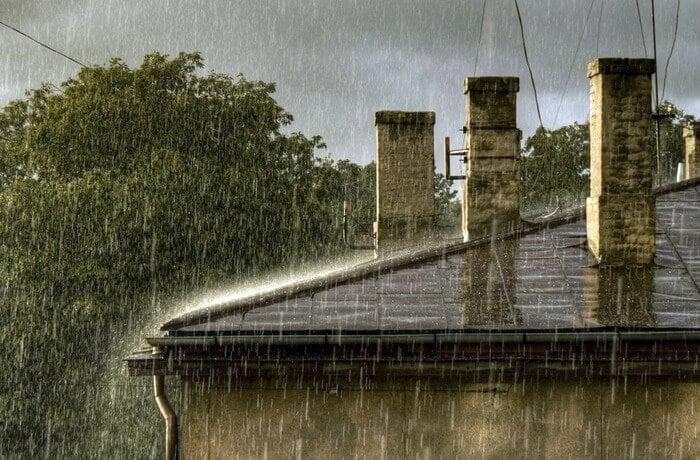
This is the most direct way for water to get in. An exposed flue is essentially a bucket waiting to be filled every time it rains.
- How it Happens: A missing or damaged chimney cowl allows rain to fall directly down the flue. Likewise, a cracked or poorly constructed chimney crown (the concrete slab on top of the stack) lets water seep into the brickwork from above.
- Typical Signs: You’ll notice damp patches on the chimney breast, often appearing or worsening after heavy rain. You might also hear dripping inside the chimney.
The Fixes:
- Fit a Chimney Cowl: This is the best defence against rain. It covers the flue opening while still allowing smoke and gases to escape.
- Repair the Crown: Cracks in the crown should be sealed with appropriate masonry sealant. If the damage is extensive, the crown may need to be rebuilt.
- Cap Unused Flues: If a flue is no longer in use, it should be capped off, ensuring ventilation is still present to prevent condensation.
Condensation Inside the Flue
If there are no obvious signs of a leak, the problem could be forming from within.
- Why it Happens: When warm, moist air from your home travels up a cold chimney, it can cool rapidly, causing water vapour to condense into liquid – much like on a cold window. Older, unlined chimneys are particularly prone to this, as the flue gases cool down too quickly.
- Stove Owners vs. Unused Flues: Modern, efficient stoves produce cooler flue gases than open fires, increasing the risk of condensation if the flue is too large or unlined. In unused chimneys, stagnant, humid air condenses on the cold inner walls.
The Fixes:
- Install a Flue Liner: A chimney liner sized correctly for your appliance keeps flue gases warmer, improving draw and preventing them from condensing before they exit the chimney.
- Add Insulation: Insulating your flue liner (using vermiculite or a thermal wrap) further helps maintain the temperature and is highly recommended.
- Improve Ventilation: For unused chimneys, ensure there is airflow by installing vents at the top and bottom.
Damaged or Poorly Installed Flashing
Flashing is the metal seal that joins your chimney stack to the roof. If this barrier is compromised, it’s a direct entry point for water.
- What it Is and Why it Fails: Usually made of lead, flashing can crack with age, be lifted by high winds, or have been installed incorrectly in the first place.
- Signs: Damp patches often appear on the ceiling or high up on the chimney breast in a room below the roofline. This problem is most evident after storms or prolonged rain.
The Fixes:
- Reseal or Replace Flashing: Minor gaps can sometimes be sealed with appropriate roofing sealant. However, in most cases, the old flashing will need to be removed and replaced by a professional roofer for a permanent fix.
- Check Roof Tiles: While inspecting the flashing, check for any cracked or missing roof tiles immediately surrounding the chimney stack.
Porous or Weathered Brickwork
Over time, the bricks and mortar of your chimney stack take a beating from the elements.
- How it Happens: Years of exposure to rain, wind, and the freeze-thaw cycle can cause bricks to become porous and mortar joints to crumble. The chimney stack essentially acts like a sponge, absorbing rainwater and slowly releasing it into the house.
The Fixes:
- Repointing: The process of removing decayed mortar and replacing it with new mortar is called repointing. This restores the integrity of the brickwork.
- Apply a Water-Repellent Treatment: After any necessary repairs, a breathable, silicone-based water repellent can be applied to the brickwork. This prevents water absorption while still allowing the masonry to breathe and release trapped moisture.
Roof or Gutter Problems Near the Chimney
Sometimes, the damp on your chimney breast isn’t caused by the chimney at all.
- How it Happens: A blocked gutter can overflow, sending water cascading down a wall and into the brickwork. Similarly, a leak from a damaged section of the roof can travel along rafters or through the attic before finding its way to the chimney structure, making it appear as if the chimney itself is the source.
The Fixes:
- Clear Gutters Regularly: Ensure gutters and downpipes are free of leaves and debris.
- Inspect the Roof: Check for missing or broken tiles, especially in the valleys and channels that direct water away from the chimney.
Soot Saturation and Tar Build-Up (Hygroscopic Salts)
This is a more complex and persistent form of damp, often found in older chimneys used for burning coal and wood over many years.
- Why it Happens: When fuels like coal and wood burn, they release salts that mix with soot and tar (creosote) to coat the inside of the flue. These deposits, known as hygroscopic salts, have a chemical property that allows them to absorb moisture from the air. Even if you fix an external leak, these salts can continue to pull moisture into the walls, causing persistent damp patches and a distinct, musty smell.
- Signs: Dark, stubborn stains that may feel slightly oily or sticky. The damp patches may worsen in humid weather, even when it’s not raining.
The Fixes:
- Professional Sweep: First, have the chimney thoroughly swept to remove the source deposits.
- Specialist Plastering: Unfortunately, standard plaster won’t solve this. The contaminated plaster must be hacked off, the underlying brickwork treated with a salt-neutralising agent, and then replastered, often with a waterproof membrane or render incorporated.
- Install a Flue Liner: Lining the chimney is essential to prevent future deposits from contaminating the masonry again.
Lack of Ventilation in an Unused Chimney
Blocking off a chimney completely is a common mistake that traps moisture.
- Why it Happens: Sealing a chimney at the top and bottom creates a column of cold, stagnant air. Any moisture in this air, or from small, undetected ingress, has nowhere to go. It will condense on the inside of the flue and slowly seep into the chimney breast.
The Fixes:
- Install Vents: An unused chimney must breathe. Install a ventilated cap on the chimney pot and a ventilation brick or grille in the fireplace opening at the bottom. This creates a natural gentle airflow that removes moist air.
How to Diagnose the Source of Damp
Not sure which problem you have? Use this checklist to narrow it down:
- Is the damp worse after rain? If yes, you likely have a direct water leak. Check the chimney pot/crown, flashing, brickwork, and nearby gutters/roof.
- Is the damp consistent, regardless of weather? This points towards condensation or hygoscopic salts.
- Does the chimney breast smell musty, especially in humid weather? This is a classic sign of hygroscopic salts or damp trapped in an unventilated chimney.
- Are the damp patches high up near the ceiling or in the attic? Suspect the flashing or chimney crown.
- Are the patches lower down on the chimney breast? This could be condensation, rising damp, or salts.
- Can you see external damage? Use binoculars to safely inspect the chimney stack from the ground. Look for crumbled mortar, green moss/algae (a sign of constant wetness), or a missing cowl.
For a definitive internal diagnosis, a professional can perform a camera flue inspection to check for cracks, blockages, and the overall condition of the flue.
When to Call a Professional
While some tasks like cleaning gutters are DIY-friendly, many chimney repairs require expertise and working at height. It’s time to call a professional for:
- Structural Repairs: Repointing, rebuilding a chimney stack, or repairing a crown.
- Roofing Work: Replacing flashing or damaged tiles.
- Chimney Lining: Installing a flue liner is a technical job that must be done correctly for safety and efficiency.
- Diagnosing Complex Damp: If you can’t find the source, a specialist can.
Who to contact:
- HETAS Installers / Chimney Sweeps: For sweeping, CCTV surveys, and flue liner installation.
- Professional Roofers: For all issues related to flashing, tiles, and the external stack.
Early intervention by a professional will save you money and stress in the long run.
Preventing Chimney Damp Long-Term
Prevention is always better than cure. Follow these steps to keep your chimney dry:
- Get it Swept Annually: A professional chimney sweep will remove soot and creosote and can spot early signs of trouble.
- Annual Visual Inspections: Once a year, check the external chimney stack, crown, and flashing for any visible signs of wear and tear.
- Ensure Proper Ventilation: Never completely seal an unused chimney.
- Maintain Cowls and Caps: Make sure your chimney cowl is secure and in good condition.
- Use a Flue Liner: If you’re installing a new wood-burning or multi-fuel stove, lining the chimney is a must.
Keep Your Chimney Dry and Your Home Protected
Chimney damp can seem daunting, but it’s almost always a solvable problem. The key is to correctly identify the issue, apply the right fix, and monitor the results. By catching it early and following a proactive maintenance routine, you can ensure your chimney remains a safe, efficient, and dry feature of your home for years to come.
FAQs
Is chimney damp dangerous?
Yes, it can be. Long-term damp can lead to structural damage to your home’s masonry and roof timbers. It also promotes the growth of mould, which can cause respiratory issues and other health problems.
Can you use a stove when your chimney is damp?
It is strongly advised not to. A damp flue will not draw correctly, which can cause smoke and dangerous carbon monoxide to spill back into the room. Furthermore, the heat from the stove can force trapped moisture out of the brickwork, worsening plaster damage.
How much does it cost to fix chimney damp?
The cost varies widely depending on the cause. Fitting a new chimney cowl might cost a few hundred points, while replacing flashing or repointing a chimney stack can cause significantly more. Getting a diagnosis from a professional is the best way to get an accurate quote.
Why does my chimney smell musty?
A musty smell is usually caused by a combination of dampness and soot/creosote deposits inside the flue. It can also be a sign of hygroscopic salts absorbing moisture from the air or a lack of ventilation in an unused chimney.
Do unused chimneys still get damp?
Yes, absolutely. Unused chimneys are very prone to damp from rain ingress if not capped, and especially from condensation if they are sealed and not properly ventilated.
What is the best cowl to stop rain getting in?
An anti-downdraught cowl with rain protection is an excellent all-around choice. It prevents rain from entering while also improving the chimney’s draw and stopping birds fron nesting. The best type will depend on your specific chimney and location.