







No, Your Wood Burner Isn’t Being Banned — Here’s What the New Rules Really Mean
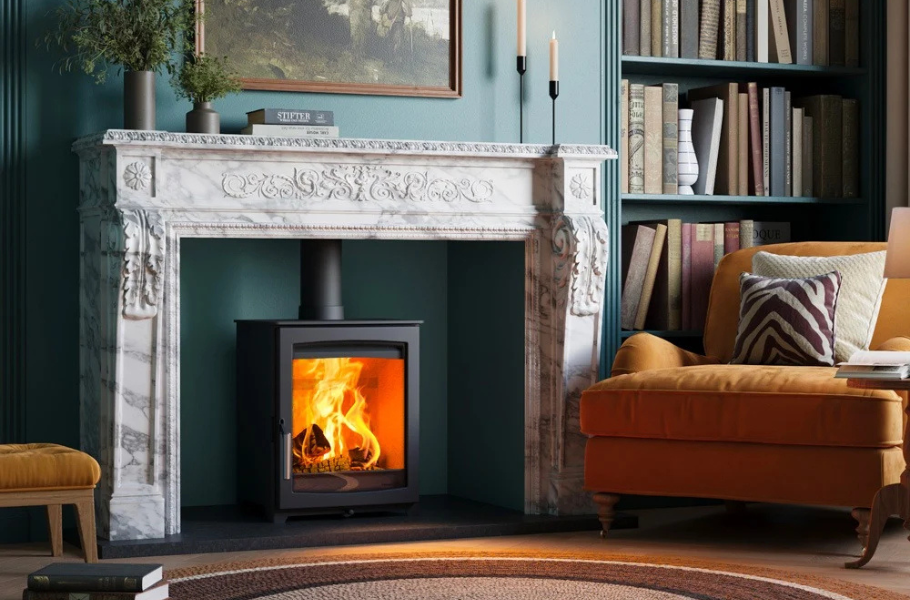
If you’ve been on social media or seen the news recently, you might be feeling a sense of panic. Sensational headlines, viral posts, and worried chatter in Facebook groups all seem to point to one alarming conclusion: the government is coming for your wood-burning stove.
You’ve probably seen the article from The Guardian, titled “Wood-burning stoves to face partial ban under Labour’s clean air plans”. It’s a headline designed to grab attention, and it certainly worked.
But here’s the simple truth: the language in those headlines doesn’t match what the actual policy proposals say. There is a significant gap between the media panic and the reality of the government’s environmental strategy.
Our goal here is simple: to cut through the noise, debunk the myths, and explain what is actually changing versus what is not.
The Headlines vs. The Reality: Why ‘Ban’ is the Wrong Word

Let’s start with that word: ‘ban’. The media loves it because it’s short, dramatic, and drives clicks. A ‘partial ban’ sounds scary and definitive. However, it’s a linguistic sleight of hand. What the policies actually discuss are restrictions, not a blanket ban.
The difference is crucial:
- A ban means something is outlawed entirely.
- A restriction means rules are applied under specific circumstances.
Let’s be crystal clear, and we’ll quote the experts directly: both DEFRA (the Department for Environment, Food & Rural Affairs) and HETAS (the official body for solid fuel safety) have confirmed there is no plan to ban domestic wood burning.
The government isn’t sending inspectors to rip out your stove. They are not outlawing the sale of firewood. And they are absolutely not about to force you to stop using your modern, compliant appliance.
What the Updated Environmental Plan Actually Focuses On

So, if there’s no ban, what is the government’s plan actually about? The focus is on one thing: emissions reduction, not appliance removal.
The strategy is built on several key pillars, most of which are already in motion:
- Cleaner-Burning Standards: The Ecodesign regulation, which came into force in January 2022, already ensures that all new stoves sold in the UK meet strict emissions standards. This isn’t a new proposal; it’s the current law.
- Reinforcing Compliance in Smoke Control Areas: For decades, many towns and cities have been designated as Smoke Control Areas, where you can only burn authorised fuels or use a DEFRA-approved (also known as DEFRA-exempt) appliance to burn wood. The plan focuses on better enforcement of these existing rules.
- Tighter Enforcement: The proposals suggest strengthening the powers of local authorities to issue fines for burning the wrong type of fuel in a Smoke Control Area. This targets improper usage, not the stoves themselves.
You’ll notice what’s missing from that list: There is ZERO mention of banning modern, Ecodesign-compliant stoves.
Breaking Down the Media’s Claims One by One

This is where we get to the heart of the matter. Let’s take the media’s claims and hold them up against the facts.
Claim: ”A partial ban on wood-burning stoves.”
Reality: This is misleading. The proposals refer to potential restrictions on the oldest, most polluting appliances and stricter enforcement of fuel rules in Smoke Control Areas. It is not a ban on owning or using a modern stove. The new plan targets emissions, not appliances.
Claim: “Labour considers eliminating the dirtiest stoves.”
Reality: This part is true, but the definition of ‘dirtiest’ is key. This refers to old, inefficient, non-Ecodesign stoves and open fires, which produce significantly more particulate matter. The vast majority of stoves sold in the UK over the last decade already meet or exceed the new standards. This is about phasing out old technology, not punishing responsible owners of modern stoves.
Claim: “Wood burning to be phased out.”
Reality: No. The plan only references phasing out the highest-emission models. Think of it this way: the government is phasing out the sale of new petrol and diesel cars from 2030, but it hasn’t banned driving. This is the same principle – encouraging a transition to cleaner technology, not eliminating the activity altogether.
Claim: “Households may face restrictions on using their existing stove.”
Reality: This is only true if you live in a Smoke Control Area and are burning unauthorised fuel in a non-exempt stove. If you have a modern, DEFRA-approved stove and are using the correct authorised fuel (like Ready to Burn wood), you are already compliant. In Smoke Control Areas, compliance is key, not removal.
What the Government Has Officially Said
Official statements from government bodies and industry experts paint a very different picture from the media headlines.
- DEFRA has repeatedly stated that no domestic stove ban is being proposed.
- HETAS has issued clarifications for consumers, confirming that the focus is on improving air quality by targeting old appliances and incorrect fuel usage.
The consistent policy direction is about:
- Reducing PM2.5 (fine particulate matter) emissions.
- Improving enforcement where air quality rules already exist.
- Encouraging the public to switch to modern, clean-burning appliances.
Who is Actually Affected?

Let’s boil this down to what it means for you.
If you own an older, non-Ecodesign stove (typically 15+ years old):
- You may be encouraged to upgrade to a newer, more efficient model.
- If you live in a Smoke Control Area, you will face stricter enforcement regarding the fuels you can burn.
If you own a modern, Ecodesign-compliant stove:
- You can continue to use your stove as normal.
- You are already using an appliance that meets future-proof efficiency and emissions targets.
Why Modern Stoves Already Solve the Problems the Government Cares About

Here’s the irony: modern wood-burning stoves are not the problem; they are a key part of the solution to reducing emissions from domestic burning.
- Massively Reduced Emissions: An Ecodesign stove produces up to 90% fewer emissions than an open fire and up to 80% fewer than a stove manufactured over 10 years ago.
- High Efficiency: They are designed to burn fuel more completely and efficiency. This means less smoke, less fuel used, and lower running costs for you.
- Designed for Urban Compliance: DEFRA-approved models are specifically engineered to be legally used in Smoke Control Areas, fitting perfectly into the government’s air quality objectives without needing bans.
The Actual Consumer Advice: What Homeowners Should Do Now

There’s no need to panic. Here are the simple, sensible steps every stove owner should take:
- Check Your Stove: Find out if your stove is Ecodesign 2022 compliant. If you bought it in the last few years, it almost certainly is. If it’s over 15 years old, it’s worth considering an upgrade for efficiency and emissions benefits.
- Know Your Area: Check if you live in a Smoke Control Area. Most local council websites have a postcode checker, or you can check on the DEFRA website.
If You’re in a Smoke Control Area:
- Ensure your stove is DEFRA-approved if you’re burning wood.
- Burn only authorised smokeless fuels or ‘Ready to Burn’ certified wood.
- Don’t Worry: The key takeaway is this: nobody is turning up at your door to remove your stove.
Upgrading fuels and proper stove operation matters much more than the stove model itself.
Why the ‘Ban’ Myth Spreads (And How to Spot Misinformation)
It’s useful to understand why this story exploded, so you can spot it next time.
- Headlines Need Panic: News outlets compete for attention, and fear is a powerful tool.
- Technical Language is Confusing: Government policy is often dense and technical, making it easy for journalists (or social media users) to misinterpret or oversimplify.
- Social Media is an Amplifier: Worst-case scenarios and outrage spread much faster than calm, factual explanations.
- The Industry Voice is Quieter: The stove industry rarely gets a chance to correct the narrative on a national scale.
Final Take: Cleaner Burning is the Goal, Not Banning Stoves
To sum it all up: the government’s environmental plan is about raising standards for clean air. It targets old, inefficient appliances and incorrect fuel use – not the modern, highly efficient stoves that millions of people enjoy responsibly.
There is no UK ban on wood burning stoves – modern stoves remain fully legal to own and use.
In short, the ‘ban’ is a myth – the real goal is that of cleaner air, which modern, Ecodesign stoves support. Your contemporary stove is a key part of the solution. By focusing on compliant usage and the right fuel, you can continue to enjoy your appliance with complete peace of mind, knowing it meets the standards that matter for today and tomorrow.