








Are Outdoor Wood Burning Stoves Legal in the UK?
⏱️ Time to read:
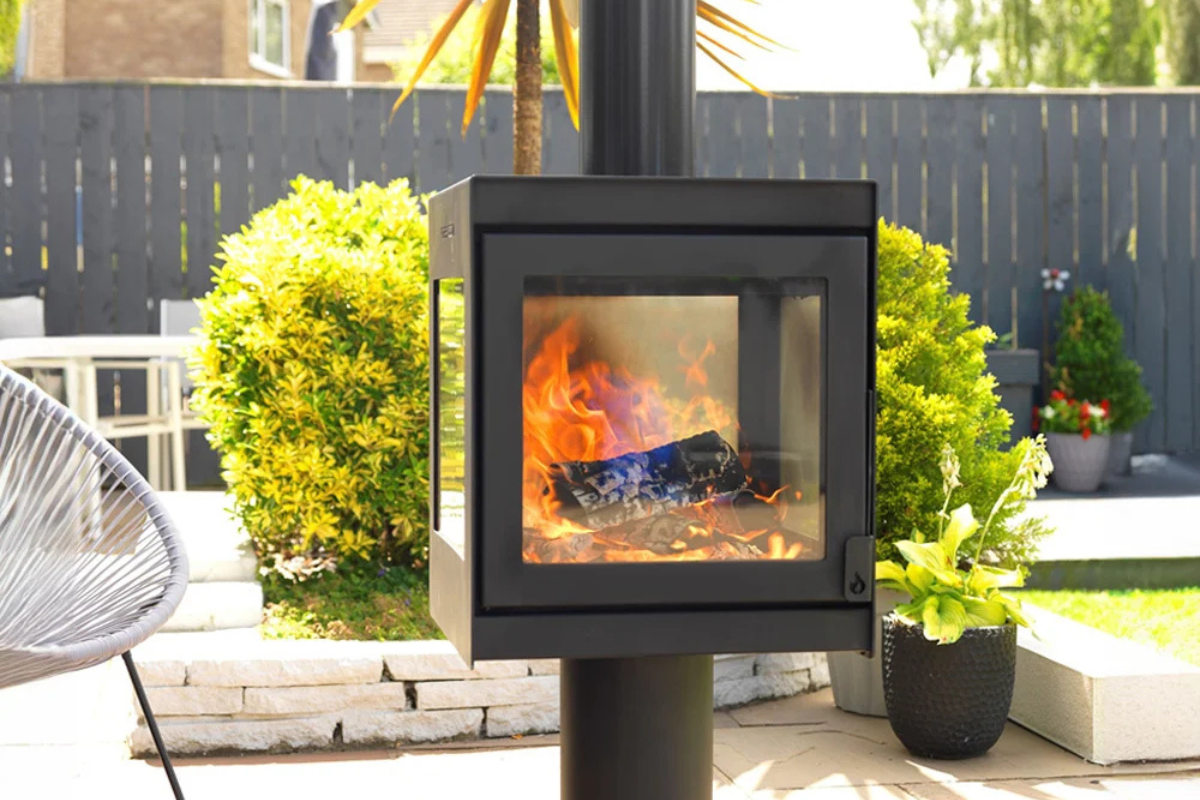
If you are wondering, “Are outdoor wood burning stoves legal in the UK?” the answer is a resounding yes. You are completely within your rights to enjoy an outdoor wood burning stove, chiminea, or garden fireplace in your own garden. Much of the confusion surrounding wood burners stems from the strict rules applied to indoor stoves, which are treated very differently under UK law.
Outdoor stoves are a fantastic way to keep warm and extend your evenings outside. As long as you use the right fuel and operate your stove responsibly, you can enjoy your garden heating without worrying about breaking the law.
🧠 Quick Answer: Are outdoor wood burners legal?
Yes, outdoor wood burning stoves are legal in the UK. However, you must use appropriate fuels like kiln-dried or seasoned logs, avoid creating excessive smoke, and ensure your stove is used safely and responsibly to prevent causing a nuisance to your neighbours.
🔑 Key Takeaways
- Outdoor wood-burning stoves are legal in the UK.
- Outdoor regulations differ from indoor stove regulations.
- Smoke control areas do not automatically prohibit outdoor stove use.
- Burning the wrong materials (like treated wood or rubbish) can cause legal issues.
- Excessive smoke can result in neighbour complaints and statutory nuisance claims.
- Most outdoor stoves do not require planning permission.
- Safe installation and operation remain important for everyone’s enjoyment.
📍 Jump to section
Wondering whether outdoor wood-burning stoves are legal in the UK? Jump straight to the answers you need.
- Why Do People Think Outdoor Wood-Burning Stoves Are Illegal?
- Indoor vs Outdoor Stove Regulations
- What Can You Legally Burn?
- Can You Use One In A Smoke Control Area?
- When Could An Outdoor Stove Cause Legal Problems?
- What You Can & Can't Do
- Do Outdoor Stoves Need Planning Permission?
- Do Outdoor Stoves Need Building Regulations Approval?
- Best Practices For Responsible Use
- FAQs
- Ready To Enjoy Your Garden For Longer?
Why Do People Think Outdoor Wood-Burning Stoves Are Illegal?

If outdoor wood burning stoves are legal, why is there so much concern about them? The answer usually comes down to crossed wires.
In recent years, there has been widespread media coverage of new wood-burning restrictions. You have likely heard terms such as Ecodesign legislation, DEFRA-approved appliances, and smoke control areas.
Because the media often uses broad headlines, many homeowners assume these rules apply to their garden wood burner. In reality, these regulations and efficiency standards are almost exclusively aimed at indoor heating appliances. The rules surrounding outdoor wood burning stoves are much simpler and far less restrictive.
Are Outdoor Wood-Burning Stoves Covered by the Same Rules as Indoor Stoves?
To clear up the confusion, it helps to understand exactly how indoor and outdoor stoves are treated differently under UK regulations.
Indoor Stove Regulations
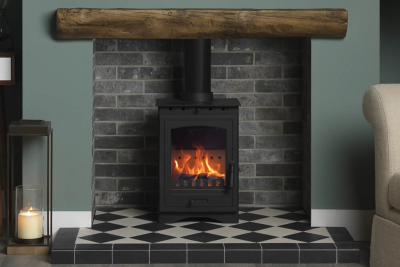
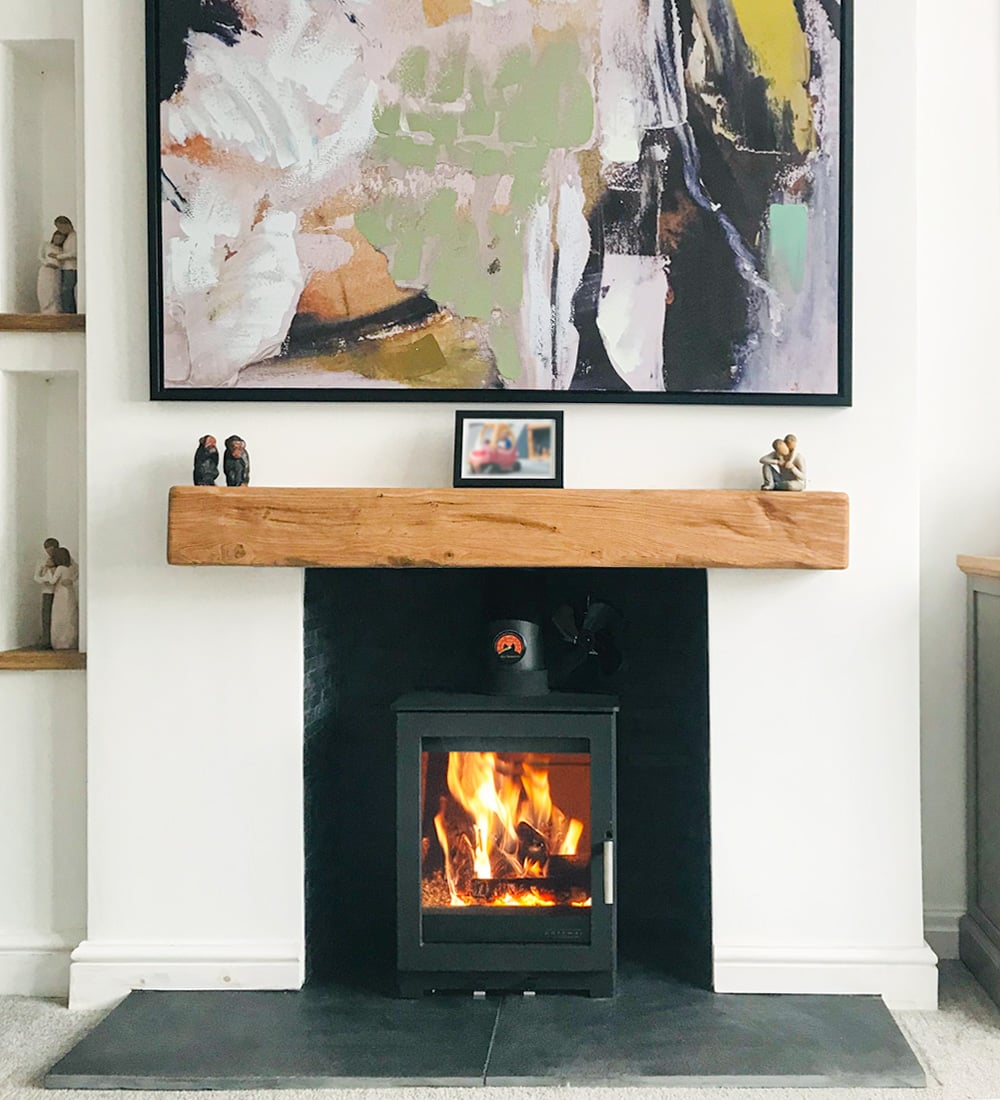
When you install a wood burner inside your home, it is subject to much stricter regulation. Indoor installations must comply with:
- Ecodesign standards: Ensuring the stove meets strict emissions and efficiency criteria.
- DEFRA-exempt status: Required if you want to burn wood indoors within a designated smoke control area.
- Building Regulations: Specifically Approved Document J, which governs flue placement, hearth sizes, and ventilation requirements.
- HETAS installation requirements: Ensuring the stove is fitted safely and complies with relevant building regulations.
These rules are designed to reduce emissions, improve safety, and ensure indoor heating appliances operate efficiently.
Outdoor Stove Regulations
Outdoor wood-burning stove regulations are very different. Because the appliance is located outside and is not venting through a chimney system connected to your home, it is not regulated in the same way as an indoor wood burner.
For garden stoves, the focus shifts away from Ecodesign certification, Building Regulations, and DEFRA exemption requirements, and instead centres on safety, fuel choice, and smoke nuisance. In simple terms, the law expects you to use your outdoor heating responsibly, without creating a fire risk, releasing harmful emissions from inappropriate fuels, or causing excessive smoke that affects neighbouring properties.
What Can You Legally Burn in an Outdoor Wood-Burning Stove?

In many cases, the legality of using an outdoor wood burning stove comes down to what you burn, rather than the stove itself.
Suitable Fuels
To ensure a clean, hot, and legal burn, always use:
- Seasoned logs (wood that has been dried to a moisture content of under 20%)
- Kiln-dired logs
- Quality firewood specifically sold for outdoor heating
👉 Unsure what to buy? Check out our comprehensive Firewood and Fuel guides or read our article on what wood you should burn outdoors.
Fuels You Should Never Burn
Burning the wrong materials can be illegal because it releases toxic fumes, harmful pollutants, and excessive smoke. To protect both the environment and those around you, you should never burn:
- Treated timber (e.g., old fence panels or decking)
- Painted wood
- MDF or plywood
- Plastics
- Household waste or rubbish
- Garden waste (like damp leaves or green branches)
Burning these materials can result in environmental penalties, pose serious health risks, and create unnecessary legal issues. It can also generate excessive smoke and harmful emissions that may lead to complaints from neighbours or investigations by local authorities.
Can You Use an Outdoor Wood Burning Stove in a Smoke Control Area?

Yes, you can.
A smoke control area is a zone designated by your local council where smoke emissions from a chimney are restricted unless you are using an authorised fuel or an exempt appliance. However, these regulations are primarily intended for chimneys attached to buildings, such as indoor wood burners and traditional open fireplaces.
If you are using a freestanding outdoor wood burner, chiminea, or fire pit in your garden, the strict rules that apply to indoor appliances do not automatically prohibit their use. That said, you are still subject to statutory nuisance laws, meaning you should take reasonable steps to minimise smoke and avoid causing disruption to neighbouring properties.
When Could an Outdoor Wood-Burning Stove Cause Legal Problems?
While you are perfectly entitled to have a wood burner in your garden, there are a few situations where problems can arise if it is not used responsibly.
Excessive Smoke
If your stove produces thick, continuous smoke that drifts across roads or into neighbouring properties, it can become a nuisance and, in some cases, a safety concern. This is most commonly caused by burning wet or unseasoned wood, garden waste, or other unsuitable materials that do not burn cleanly.
Neighbour Complaints
Can neighbours complain about my outdoor fireplace? Yes, they can.
If smoke from your stove prevents neighbours from opening their windows, drying washing outdoors, or enjoying their own garden, they may choose to report the issue to the local council. While occasional use of an outdoor wood burner is unlikely to cause problems, persistent smoke or poor fuel choices can quickly lead to complaints.
Statutory Nuisance
If a local council investigates a neighbour's complaint and determines that your outdoor stove is causing a statutory nuisance — meaning it is unreasonably and substantially interfering with someone's use or enjoyment of their home — it may issue an abatement notice requiring the problem to be addressed.
Failing to comply with an abatement notice is a criminal offence and can result in further enforcement action. In practice, these situations are typically linked to persistent excessive smoke, inappropriate fuel use, or repeated complaints rather than the occasional use of a well-maintained outdoor stove.
Unsafe Installation
Placing a stove too close to combustible materials, overhanging trees, sheds, or wooden fences can create a significant fire risk. While this is not strictly a matter of stove-specific regulation, causing a fire through negligence can lead to serious legal, financial, and insurance consequences.
To stay safe, always follow the manufacturer's clearance guidelines and ensure your outdoor stove is positioned on a suitable, non-combustible surface with plenty of space around it.
What You Can and Can’t Do
Here is a simple, scannable guide to garden wood burner rules:
You Can
- Use an outdoor stove in your garden
- Burn suitable, dry firewood (like kiln-dried log)
- Use your stove for outdoor heating and cooking
- Enjoy occasional recreational fires with family and friends
You Can’t
- Burn household rubbish or plastics
- Burn treated, painted, or glued timber
- Create an excessive smoke nuisance for your neighbours
- Ignore safety clearances and manufacturer guidelines
- Operate the stove unsafely near flammable materials
Do Outdoor Wood-Burning Stoves Need Planning Permission?

In most cases, no.
For typical domestic use, freestanding outdoor stoves, fire pits, and chimineas do not require planning permission. They are generally considered temporary or portable garden features rather than permanent structures.
However, there can be exceptions. If you are constructing a large, permanent outdoor fireplace with a substantial brick chimney, or if your property is a Listed Building or located within a Conservation Area, it is sensible to check with your local planning authority before starting any work.
For most standard, off-the-shelf outdoor wood burning stoves, planning permission is unlikely to be required.
Do Outdoor Wood-Burning Stoves Need Building Regulations Approval?
No, freestanding outdoor wood burning stoves do not require Building Regulations approval.
Building Regulations (specifically Approved Document J) apply to indoor installations where flues pass through ceilings, roofs, or walls. Because an outdoor stove operates in the open air and is not connected to your home's chimney system, these requirements do not generally apply.
That said, you should always follow the manufacturer's installation and safety guidance, particularly regarding minimum clearances from combustible materials and safe positioning within your garden.
Best Practices for Using an Outdoor Stove Responsibly
To get the most out of your outdoor heating without any headaches, follow these best practices:
- Maintain the appliance: Regularly clean out ash to ensure good airflow, helping the fire burn hotter and cleaner.
- Choose suitable fuel: Always use dry, seasoned, or kiln-dried wood to ensure a clean burn.
- Reduce smoke: Start your fire with proper kindling and firelighters. A hot fire produces less smoke than a smouldering one.
- Position the stove correctly: Place it on a flat, non-combustible surface, well away from fences, dry foliage, and low-hanging branches.
- Be considerate: Think about wind direction before lighting your stove. If the wind is blowing directly into your neighbour’s open windows, it may be better to wait for another evening.
👉 Looking for the perfect setup? Browse our outdoor stove buying guides and garden heating advice for inspiration.
FAQs
Are wood-burning stoves banned in the UK?
No, wood-burning stoves are not banned in the UK. Indoor stoves must meet Ecodesign efficiency standards, but outdoor stoves are perfectly legal to buy and use.
Can neighbours complain about my outdoor wood burner?
Yes. If your stove produces excessive smoke that prevents them from enjoying their property, they can report it to the local council as a statutory nuisance. Using dry wood minimises this risk.
Can I use an outdoor wood burner in a smoke control area?
Yes. Smoke control rules primarily apply to chimneys on buildings. You can use a freestanding outdoor stove in a smoke control area, provided you do not cause a smoke nuisance.
Can I burn garden waste in an outdoor stove?
No. Burning damp garden waste, leaves, or green wood creates excessive, polluting smoke and can easily lead to nuisance complaints. Only burn dry, untreated firewood.
Do outdoor wood burners need planning permission?
Standard freestanding outdoor wood burners do not need planning permission. Permanent brick-built outdoor fireplaces may require permission, especially in conservation areas.
What is the best wood to burn in an outdoor stove?
The best wood is kiln-dried hardwood, such as oak, ash, or birch, with a moisture content below 20%. It burns hotter, lasts longer, and produces minimal smoke.
Ready to Enjoy Your Garden for Longer?
The bottom line is simple: outdoor wood-burning stoves are legal in the UK. As long as you use the right fuel, position your stove safely, and remain considerate of your neighbours, there is very little to be concerned about.
Don't let confusing headlines about indoor stove regulations put you off enjoying your outdoor space. Outdoor wood-burning stoves offer a practical way to add warmth, ambience, and a welcoming focal point to your garden, helping you make the most of it throughout the year.
Now that you know the facts, you can shop with confidence. Explore our fantastic range of outdoor wood-burning stoves and outdoor heating solutions today, and get ready to make the most of your garden, whatever the weather!
You might also like:
- 👉 What wood should you burn outdoors?
- 👉 Outdoor kitchen ideas that add value
- 👉 What do you need for a garden gathering?
- 👉 Spring garden ideas: How to create a garden you'll actually use
- 👉 How to use wood burner ash in your garden
- 👉 Guide to outdoor fireplaces
↑ Back to top | Jump to sections ↑