








UK Domestic Emissions Fall: What the Latest Data Means for Stove Owners

⏱️ Time to read:
For years, domestic heating and wood-burning have been central to debates around UK air quality. Recent government statistics show a continued decline in emissions from domestic combustion, with industry commentary noting that the reduction is around twice the rate of the overall UK emissions decrease.
If you already own a stove, or are considering installing one, here’s a clear look at what the latest data says about modern heating, fuel choices, and the environment.
🧠 Quick Answer: Have domestic emissions fallen in the UK?
UK domestic combustion emissions fell by 7.4% between 2023 and 2024, according to government data. This includes a range of sources (not just stoves), but more detailed data indicates that modern Ecodesign stoves are associated with lower emissions compared to older appliances.
🔑 Key Takeaways
- Significant drop: UK domestic combustion particulate emissions fell 7.4% (2023–2024).
- Broad scope: This category includes multiple sources (e.g., stoves, open fires, outdoor burning).
- Consistent progress: Long-term emissions have declined as heating systems have modernised.
- Technology matters: Ecodesign stoves are designed to produce significantly fewer emissions than older appliances.
- Better burning: Fuel quality and usage practices also play a major role.
📍 In this article
Looking at emissions, data, or what it means for your stove? Jump to the section you need.
- A Shifting Landscape for Domestic Heating
- What Do the Latest Emissions Figures Show?
- Why Are Emissions Falling?
- A Closer Look: The NAEI Data Nuance
- Expanded Reporting: Outdoor Burning
- What This Means for Stove Owners
- Modern Stoves vs Open Fires
- What the Experts Say
- Looking Ahead
- Frequently Asked Questions
A Shifting Landscape for Domestic Heating

The latest UK Government emissions data shows a continued reduction in particulate emissions from domestic combustion.
While this category includes a mix of sources — from open fires to outdoor burning — the data reflects a broader long-term shift toward cleaner Ecodesign stoves and improved usage practices.
What Do the Latest Emissions Figures Show?
1. A 7.4% Reduction in One Year
Domestic combustion includes multiple sources. A 7.4% drop in a single year across this sector is a notable shift. The Stove Industry Association (SIA) notes that this is approximately twice the rate of the overall UK emissions reduction during the same period.
2. A Clear Long-Term Downward Trend
Over the past decade, the UK has seen a steady replacement of older, inefficient heating appliances. As open fires are replaced and legacy stoves are swapped for modern Ecodesign models, the long-term emissions have shown a continued downward trend.
Why Are Emissions Falling?
Several factors are widely associated with reductions in emissions, including:
- Modern Ecodesign Stove Technology: The shift towards Ecodesign-compliant stoves is a key factor. These stoves feature advanced combustion systems designed to produce significantly fewer emissions than older appliances, as they burn gases off inside the firebox rather than escaping up the chimney.
- Better Fuel Quality: The introduction of the “Ready to Burn” certification scheme has encouraged a shift toward certified, low-moisture firewood. Burning dry wood is essential for reducing smoke and maximising heat output.
- Improved Burning Practices: More stove owners are adopting the “top-down” lighting method and managing their airflow correctly, which helps reduce smoke production during the burn cycle.
💡 Worth Knowing: It is difficult to attribute changes to a single factor, as emissions data is influenced by multiple variables across the sector.
A Closer Look: The NAEI Data Nuance
While overall emissions from domestic combustion fluctuated in 2024, more detailed data indicates that emissions from wood fuel in Ecodesign stoves fell, while some older appliances and open fires saw increases. This reflects differences between appliance types within the same overall category.
According to the detailed breakdown from the National Atmospheric Emissions Inventory (NAEI) Pivot Table, PM2.5 emissions specifically from wood fuels used in Ecodesign stoves demonstrated a year-on-year decrease.
The following data relates specifically to emissions from different fuel types within Ecodesign stoves and should not be interpreted as representing total domestic emissions.
| Source Name | Activity Name (Fuel) | Emission Unit | 2023 | 2024 | Trend |
|---|---|---|---|---|---|
| Domestic Closed Stove – Ecodesign | SSF (Solid Smokeless Fuel) | Kilotonne | 0.307986 | 0.401257 | Increase |
| Domestic Closed Stove – Ecodesign | Wood – Dry | Kilotonne | 0.650534 | 0.64129 | Decrease |
| Domestic Closed Stove – Ecodesign | Wood – Seasoned | Kilotonne | 0.131265 | 0.1294 | Decrease |
| Domestic Closed Stove – Ecodesign | Wood – Wet | Kilotonne | 0.336377 | 0.331597 | Decrease |
| Domestic Closed Stove – Ecodesign | Wood Briquettes | Kilotonne | 0.09392 | 0.092586 | Decrease |
Expanded Reporting: Why Outdoor Burning is Now Included
One of the notable aspects of the 2026 data release is a change in how the government counts emissions. The dataset has been expanded to include outdoor burning sources, such as fire pits and chimineas, which were previously categorised differently.
This makes year-on-year comparisons more complex, as the category now includes additional sources. Despite this broader accounting boundary, emissions from the overall category still fell year-on-year.
What This Means for Stove Owners


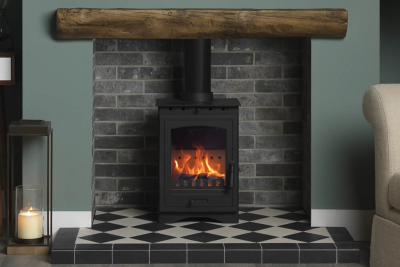
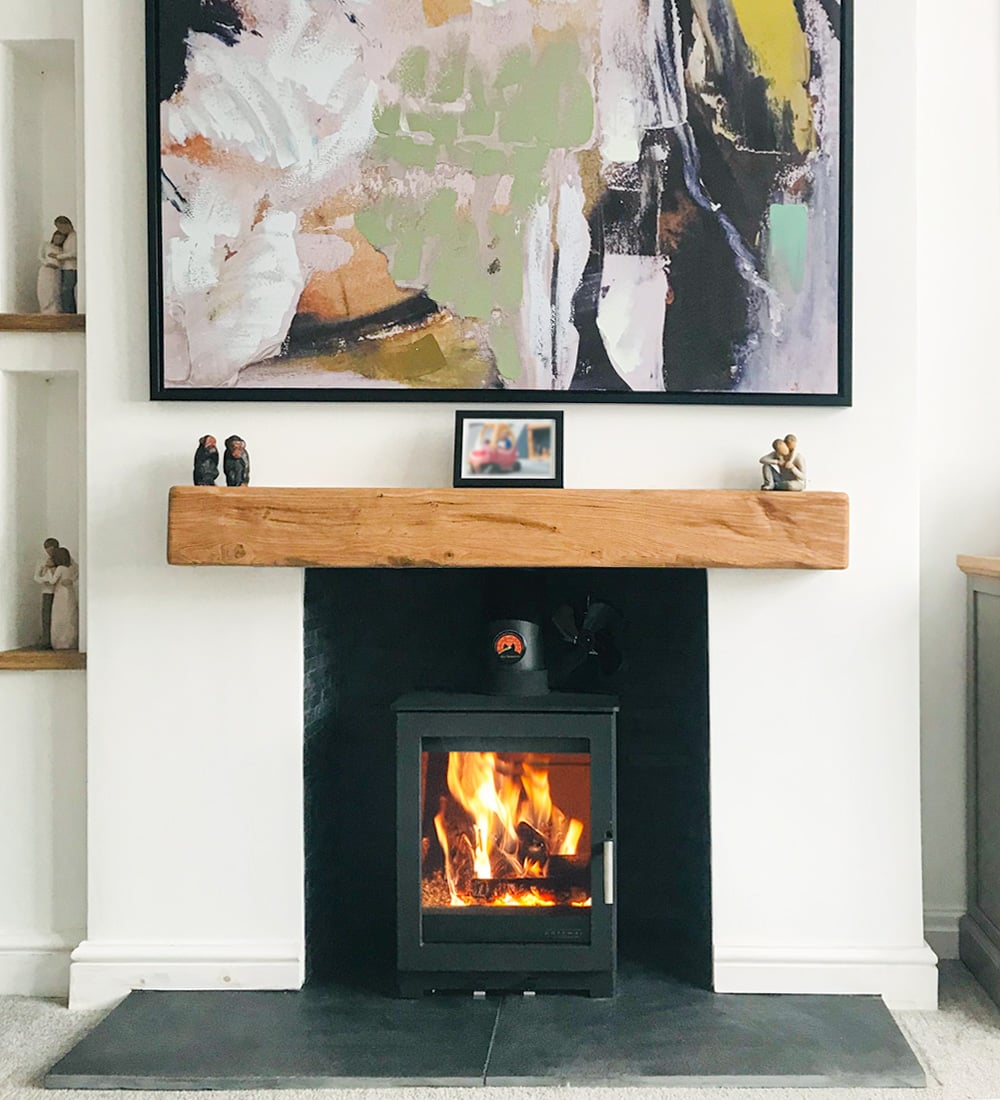
These are examples of modern Ecodesign-compliant stoves designed to produce fewer emissions and improve efficiency compared to older models.
1. If You Have an Older Stove
Modern appliances are designed to produce fewer emissions compared to older models. By upgrading to an Ecodesign stove, you can help reduce your household emissions while likely improving the heating efficiency of your home.
2. If You’re Considering a New Stove
For potential buyers, modern stoves are not the same as the appliances of the past. The environmental improvements across the sector are reflected in long-term emissions data.
👉 Looking to upgrade your stove to a cleaner Ecodesign model? Browse our full collection of Ecodesign-compliant wood-burning and multi-fuel stoves.
The Bigger Picture: Modern Stoves vs Open Fires
It is crucial to distinguish between modern sealed appliances and open fires. Open fires are significantly less efficient and produce far higher emissions. The data is consistent with a national move away from these legacy methods toward sealed, highly efficient wood-burning stoves.
What the Experts Say
“A 7.4% reduction in a single year is significant — around twice the overall UK reduction rate over the same period. It shows the sector is improving rapidly as older appliances are replaced and best-practice use becomes more widely understood. Better appliance technology, improved fuel quality and consumer awareness are all working together… The long-term direction of travel is clear — as the installed appliance base modernises and consumers adopt better fuels and burning practices, emissions continue to decline.”
— Erica Malkin, Executive Director of the SIA
Looking Ahead
As consumer choice continues to shift toward Ecodesign stoves and certified fuels, the air quality improvements across the domestic heating sector may continue.
Frequently Asked Questions (FAQ)
Are wood-burning stoves bad for air quality?
Not all wood-burning is the same. While open fires and older stoves contribute more heavily to poor air quality, modern Ecodesign stoves burning dry wood can reduce emissions significantly compared to open fires.
What is an Ecodesign stove?
An Ecodesign stove is an appliance that meets strict UK and European regulations for efficiency and emissions. They are designed to burn wood more completely, resulting in more heat and less smoke.
Do modern stoves produce less smoke?
Yes. Modern combustion technology is designed to ignite smoke gases before they leave the stove, resulting in a cleaner burn.
Are fire pits included in emissions data?
Yes, the latest dataset (released Feb 2026) now includes outdoor burning like fire pits and chimineas in the domestic combustion category.
Sources:
- DEFRA: Emissions of air pollutants in the UK - Summary
- SIA Commentary: UK domestic combustion emissions fall twice as fast as national average
- National Atmospheric Emissions Inventory (NAEI) Data Tables
Note: This article is based on publicly available government and industry data. Emissions trends are influenced by multiple factors and should be interpreted in the context of the wider domestic heating sector.
↑ Back to top | Jump to sections ↑